
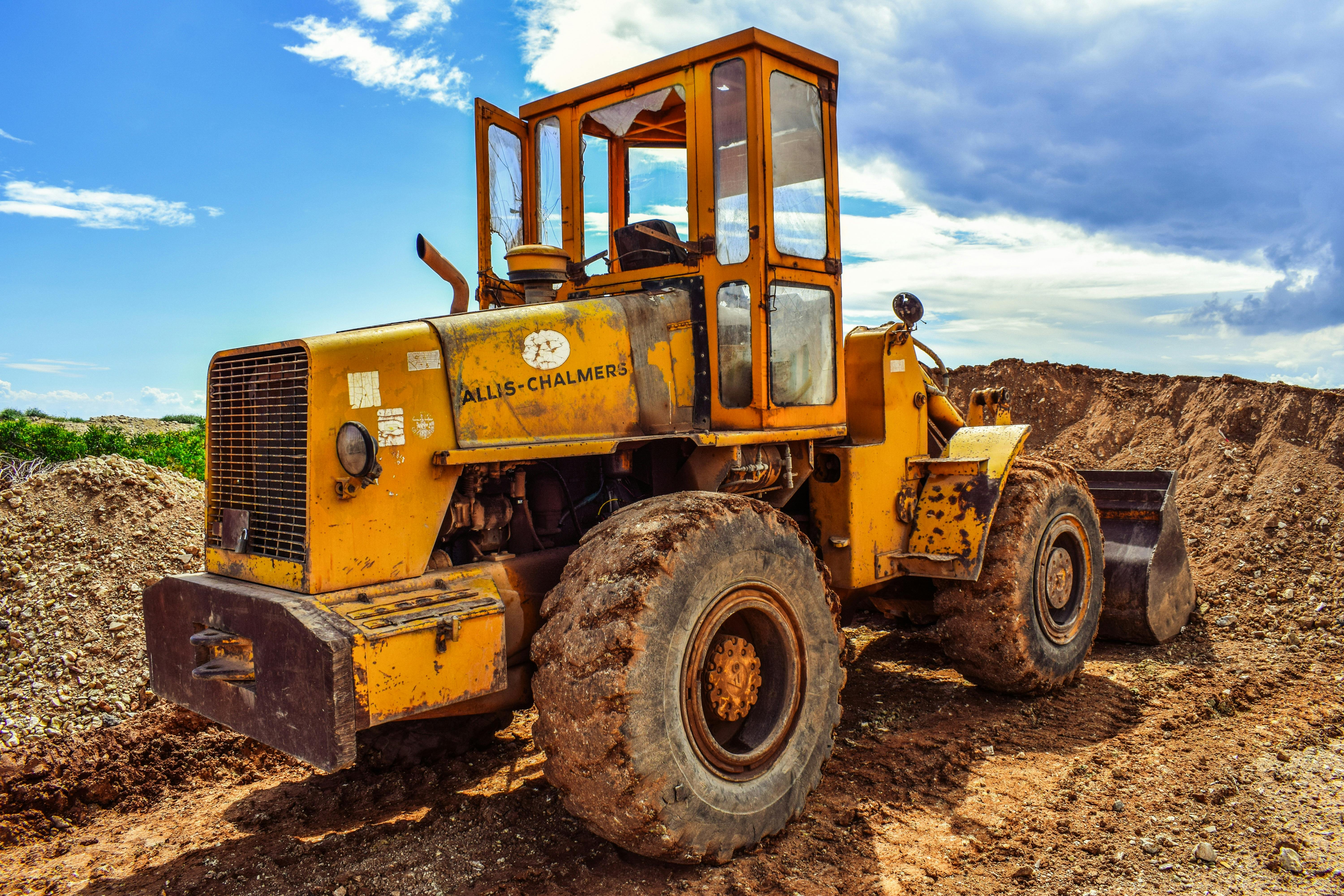
Amphibious excavators have transformed the construction industry by enabling efficient operations in challenging environments such as swamps, marshes, and shallow water. As the demand for versatile and adaptive construction equipment grows, these machines have evolved significantly over the years. The integration of cutting-edge technology and innovative design in amphibious excavators has enhanced their performance, durability, and operational efficiency, making them indispensable for a variety of construction projects.
The Genesis of Amphibious Excavators
The journey of amphibious excavators began with the need for machines that could operate in waterlogged terrains, where traditional excavators struggled. These machines were initially developed to cater to specific projects like dredging, wetland restoration, and flood control.
- Early models were often modifications of standard excavators with pontoons attached to provide buoyancy.
- Despite their utility, these first-generation machines were limited in maneuverability and faced challenges in stability and control.
- As demand increased, manufacturers began designing excavators specifically for amphibious tasks, leading to the creation of specialized machines.
Technological Advancements
Modern amphibious excavators are a testament to technological innovation. The integration of advanced engineering solutions has addressed the limitations of earlier models and expanded their capabilities.
- Enhanced flotation systems and pontoon designs now allow for better stability and control, even in deep water.
- Hydraulic systems have been improved to ensure smooth operation and precise control, crucial for delicate environments.
- Some models are equipped with GPS and remote monitoring systems for increased efficiency and safety on-site.
To explore advanced guides and tips on the latest technologies employed in amphibious excavators, find out more about this approach.
Applications in Modern Construction
Amphibious excavators have broadened the scope of construction projects they can support. Their adaptability makes them valuable across a range of applications:
- Environmental Projects: Ideal for wetland restoration, erosion control, and habitat creation without causing significant disturbance.
- Infrastructure Development: Used in constructing bridges, levees, and dams where access to waterlogged sites is necessary.
- Dredging and Mining: Essential for dredging operations in rivers and lakes, and for mining in marshy areas.
For tailored solutions in utilizing amphibious excavators for specific construction needs, learn about our tailored solutions.
Future Prospects and Innovations
The future of amphibious excavators looks promising as manufacturers continue to innovate and adapt to the changing demands of the construction industry. Anticipated developments include:
- Further improvements in eco-friendly technologies to minimize the environmental impact of construction activities.
- Enhanced automation and AI integration for better operational efficiency and reduced need for manual intervention.
- Increased durability of components to withstand harsh conditions and extend the lifespan of the equipment.
To discover expert strategies in optimizing the use of amphibious excavators for future projects, discover expert strategies here.
Conclusion
Amphibious excavators have come a long way since their inception, evolving from basic modifications to sophisticated machines that play a crucial role in modern construction. With continuous advancements and a wide range of applications, they are set to drive progress in the industry by enabling projects that were once deemed impossible. As the construction landscape evolves, the role of amphibious excavators will undoubtedly expand, further cementing their importance in tackling the challenges of working in diverse and demanding environments.