
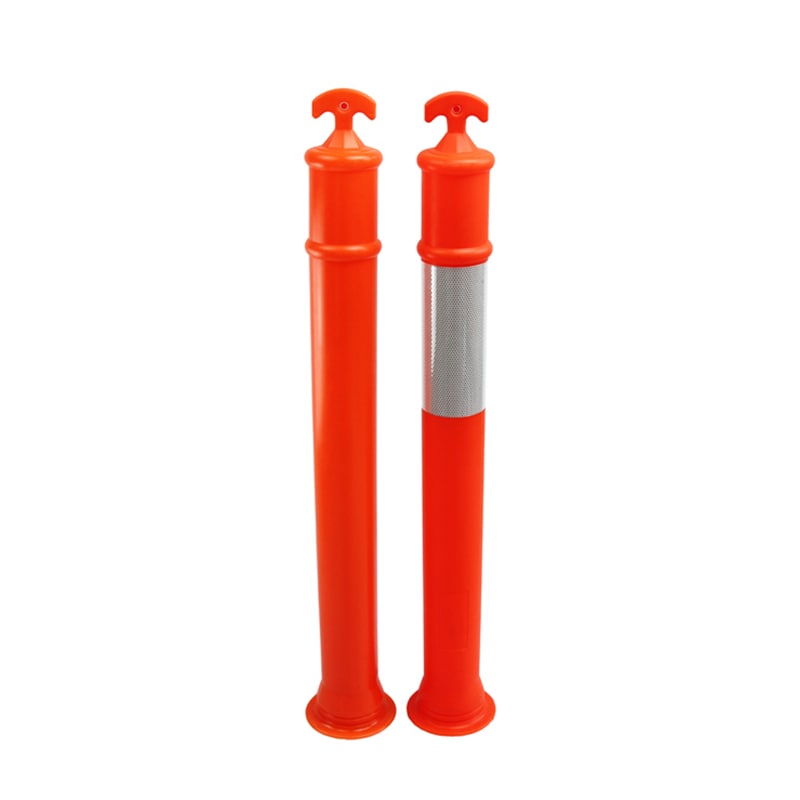
Road safety is a paramount concern for urban planners, transportation departments, and citizens alike. As roadways become busier with an increasing number of vehicles, the need for effective safety measures grows. One such measure that has proven to be highly effective is the use of reflective road delineators. These devices play a crucial role in guiding drivers, enhancing visibility, and reducing accidents, especially in low-light conditions. This article explores the importance of reflective road delineators, their benefits, and how they contribute to safer transportation systems.
The Role of Reflective Road Delineators in Traffic Management
Reflective road delineators are essential tools in traffic management. They are strategically placed to provide clear visual guidance to drivers, delineating lanes, marking road edges, and alerting drivers to changes in road alignment. This visual cueing is especially vital during nighttime or adverse weather conditions when visibility is compromised.
Key Functions of Reflective Road Delineators
- Enhancing night-time visibility: The reflective material used in these delineators ensures they are visible even in low-light conditions.
- Guiding drivers through complex roadways: By marking lanes and road edges, delineators help drivers navigate curves, intersections, and areas under construction.
- Reducing accident risks: By providing clear guidance, delineators help minimize the risk of lane departure and collisions.
To explore advanced guides and tips on implementing these safety measures effectively, discover expert strategies here.
Benefits of Utilizing Reflective Road Delineators
The implementation of reflective road delineators offers numerous benefits for both drivers and traffic authorities. These include:
- Cost-effectiveness: Compared to other traffic safety solutions, delineators are relatively inexpensive to install and maintain.
- Versatility: They can be used in a variety of settings, from highways and rural roads to parking lots and construction sites.
- Durability: Made from robust materials, delineators are designed to withstand harsh weather conditions and the wear and tear of traffic.
For more insights into tailored solutions for road safety, learn about our tailored solutions.
Implementation Considerations
When implementing reflective road delineators, several factors must be considered to ensure their effectiveness. These include the type of delineator, placement, and maintenance schedule.
Choosing the Right Type
The choice of delineator depends on the specific requirements of the road or area. Options range from flexible delineators that can withstand impacts to rigid models designed for permanent installations.
Strategic Placement
Proper placement is critical. Delineators should be placed at regular intervals, especially in areas prone to accidents. Additionally, they should be positioned to maximize visibility and effectiveness.
Maintenance and Upkeep
Regular maintenance ensures that delineators remain effective. This includes cleaning the reflective surfaces and replacing damaged units promptly.
To find out more about this approach, explore advanced guides and tips.
Conclusion
Reflective road delineators are a cost-effective, versatile, and durable solution to enhance road safety. Their ability to provide clear visual guidance improves driver confidence and reduces the risk of accidents. By considering factors such as type, placement, and maintenance, traffic authorities can maximize the benefits of these essential safety tools. For further insights into the deployment of reflective road delineators and other safety solutions, find out more about this approach.