
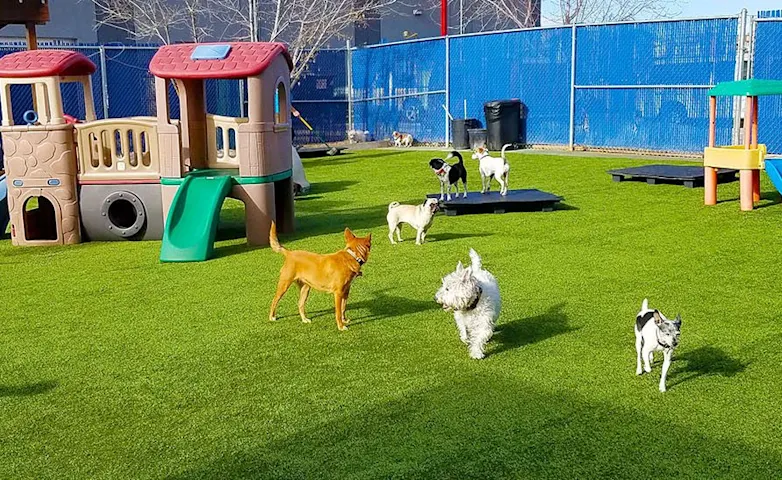
Small Dog Play Group: Socialization Tips for Your Pint-Sized Pup
Socialization is a crucial aspect of a dog”?s development, and it is particularly important for small breeds. Engaging in a well-structured small dog play group can offer your pint-sized pup the perfect opportunity to interact with other dogs and strengthen their social skills. This guide provides expert tips to ensure your small dog has a positive and enriching experience in a play group setting.
Understanding the Importance of Socialization
Socializing small dogs helps build their confidence and reduces the likelihood of behavioral issues. Here”?s why it”?s essential:
- Behavioral Balance: Dogs that are well-socialized tend to be more balanced and less prone to anxiety and aggression.
- Adaptability: Exposure to different environments, sounds, and other dogs teaches flexibility and adaptability.
- Communication Skills: Play groups teach dogs how to communicate effectively with their peers.
Preparing Your Small Dog for a Play Group
Health and Safety
Before joining a play group, ensure your dog is healthy and up-to-date on vaccinations. This protects not only your dog but also others in the group.
Behavioral Assessment
Assess your dog”?s temperament and social skills. If your pup is shy or nervous, start with smaller interactions before progressing to a small dog play group. Check out customer reviews here to see what others are saying about us.
Finding the Right Play Group
Research and Recommendations
Consider recommendations from other dog owners or local pet professionals. Research online for groups that specialize in small dog interactions.
Environment and Supervision
Choose a play group with a safe, clean environment and professional supervision. Ensure that the play area is appropriately sized and equipped for small dogs.
During the Play Group
Monitoring Interaction
Observe your dog’s behavior during play sessions. Look for positive interactions such as gentle play and shared toys. If your dog seems overwhelmed, give them a break and encourage calmness.
Encouraging Positive Behavior
- Reward Good Behavior: Use treats and praise to reinforce positive interactions.
- Intervene When Necessary: If play becomes too rough, intervene gently to prevent any issues.
Post-Play Group Care
Reflect and Adjust
After each session, reflect on your dog”?s experience. Note any behavioral changes and adjust future interactions accordingly.
Continued Socialization
Encourage regular socialization outside of play groups to reinforce the skills learned. Engage in activities that expose your dog to various environments and scenarios.
Small dog play groups are beneficial for enhancing social skills, ensuring your pint-sized pup grows into a well-rounded and happy companion. By following these tips, your dog will thrive in a social environment, making friends and enjoying their playtime to the fullest.