
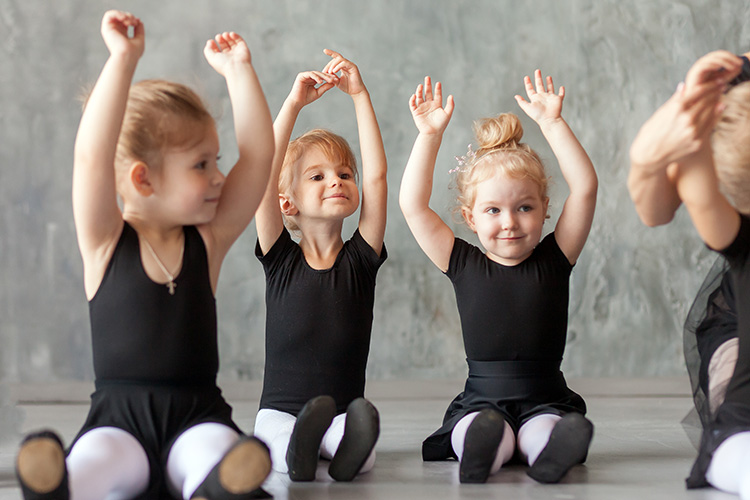
Finding the right dance school can be a pivotal step in nurturing a love for dance, whether for a child, teenager, or adult. With numerous options available, choosing the right institution that fits one’s needs, skill level, and aspirations is paramount. Dance schools offer a myriad of styles, from classical ballet and contemporary to hip-hop and jazz. A well-rounded dance education not only hones technical skills but also encourages creativity, discipline, and confidence. This article delves into the key considerations when searching for the best dance schools in your vicinity, ensuring you make an informed decision.
Identifying Your Dance Goals
Before embarking on your search, it is crucial to define what you aim to achieve through dance. Consider the following:
- Personal interest: Are you looking to pursue dance as a hobby, or are you aspiring to professional levels?
- Dance style preference: Do you have a specific dance style in mind, or are you open to exploring multiple genres?
- Skill level: Are you a beginner, intermediate, or advanced dancer?
- Age group: Some schools specialize in certain age demographics, which can influence your choice.
Determining these factors will help narrow down your options and focus your search on schools that align with your objectives. Discover expert strategies here to refine your dance ambitions.
Evaluating Dance School Programs
Curriculum and Faculty
The curriculum offered by a dance school is a significant indicator of its suitability. Look for schools with a comprehensive syllabus that covers technique, performance skills, and artistic expression. Experienced and qualified instructors are crucial for effective learning. Here”?s what to consider:
- Instructor qualifications and experience: Check if the instructors have notable credentials or professional backgrounds.
- Class structure: Are the classes designed to cater to different skill levels and age groups?
- Performance opportunities: Does the school offer regular showcases or competitions to enhance performance skills?
Learn about our tailored solutions for assessing dance school programs comprehensively.
Facilities and Environment
The facilities and learning environment play a crucial role in a dancer’s education. Ensure that the school provides:
- Spacious and well-equipped studios for safe and unrestricted movement.
- A supportive and inspiring environment that fosters creativity and discipline.
- Access to additional resources such as music libraries or costume rentals.
These factors can significantly impact the quality of education and overall experience. Explore advanced guides and tips on evaluating dance school environments.
Researching Reputation and Reviews
Gathering insights from current and former students can provide a realistic view of what to expect. Here’s how to approach this:
- Online reviews: Check platforms like Google, Yelp, and the school’s social media for feedback.
- Word of mouth: Speak to friends, family, or acquaintances who may have experience with local dance schools.
- School visits: Attend open houses or trial classes to get a firsthand experience of the school’s atmosphere and teaching style.
For more on evaluating feedback and making informed choices, find out more about this approach.
Conclusion
Choosing the right dance school is a blend of assessing personal goals, evaluating the quality of programs, and considering the broader learning environment. By carefully weighing these factors and conducting thorough research, you can find a dance institution that not only meets your expectations but also enriches your dancing journey. Dance is a beautiful art form that requires dedication and passion, and the right school can be instrumental in unlocking a dancer’s full potential.