
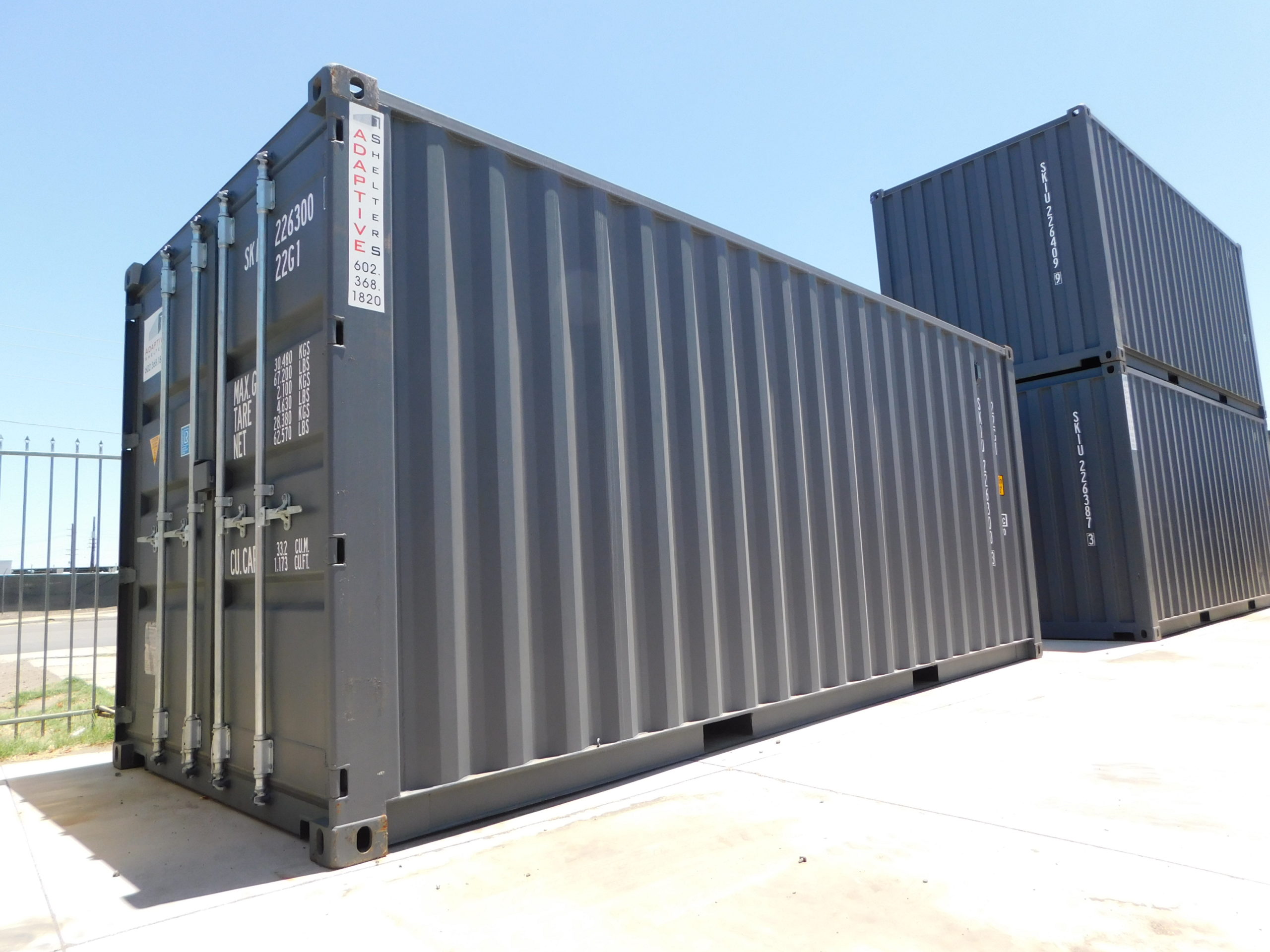
In the ever-evolving world of construction, modular building solutions have emerged as a versatile and efficient approach. These solutions are not only redefining how structures are built but also influencing the speed, cost, and sustainability of construction projects. As urban populations grow and the demand for quick, scalable buildings increases, modular construction offers a promising alternative to traditional methods. This article delves into the advantages and applications of modular building solutions, highlighting how they are transforming the construction landscape.
Understanding Modular Construction
Modular construction involves the off-site fabrication of building sections, or modules, which are then transported to the construction site for assembly. This method contrasts with conventional construction, where buildings are constructed entirely on-site. The modular approach offers several distinct benefits:
- Speed: Modules can be built simultaneously with site preparation, significantly reducing construction time.
- Cost-Efficiency: Factory-based production minimizes waste and optimizes resource use, leading to cost savings.
- Quality Control: Controlled environments facilitate higher precision and consistency in module production.
- Sustainability: Reduced waste and energy consumption make modular buildings more environmentally friendly.
For those interested in a more detailed exploration, read more about this topic.
Applications of Modular Building Solutions
Modular construction is versatile, applicable to various types of projects. Its adaptability makes it suitable for a range of sectors, including:
Residential Buildings
Modular solutions are increasingly popular in residential construction, offering homeowners quicker build times and customizable designs. The ability to tailor modules to specific needs allows for personalized housing solutions without the lengthy delays often associated with traditional builds. Explore further insights here.
Commercial and Office Spaces
In the commercial sector, modular construction facilitates rapid expansion and relocation. Businesses can benefit from the ability to quickly erect office spaces tailored to their specific requirements, whether for temporary or permanent use. The flexibility and scalability of these structures are particularly advantageous in dynamic business environments.
Education and Healthcare Facilities
Educational and healthcare institutions often face challenges with overcrowding and the need for specialized spaces. Modular buildings provide a solution with their quick setup and adaptability to various functional needs. Schools and hospitals can expand their facilities efficiently, ensuring continuity of service with minimal disruption. Find additional information here.
Challenges and Considerations
While modular construction offers numerous advantages, there are considerations to be mindful of:
- Transportation and Logistics: Modules must be transported from factories to sites, requiring careful planning to avoid logistical issues.
- Design Limitations: Although customizable, modular designs may face constraints in terms of architectural complexity.
- Regulatory Compliance: Navigating building codes and regulations can be more complex with modular construction, given the integration of off-site and on-site processes.
Understanding these challenges can help stakeholders better plan and execute modular projects. For an in-depth look into the considerations of modular construction, learn more in this detailed guide.
The Future of Modular Building
The future of construction is leaning heavily towards modular solutions. As technology advances, modular construction is expected to become even more efficient and widely adopted. The integration of smart technologies and sustainable practices will likely enhance the capabilities of modular buildings, making them a cornerstone of modern construction.
For those looking to stay ahead in the construction industry, keeping abreast of developments in modular solutions is crucial. Explore further insights here.
In conclusion, modular building solutions represent a significant shift in how we approach construction. With their numerous advantages and growing applicability, they offer a path forward for sustainable, efficient, and cost-effective building practices.