
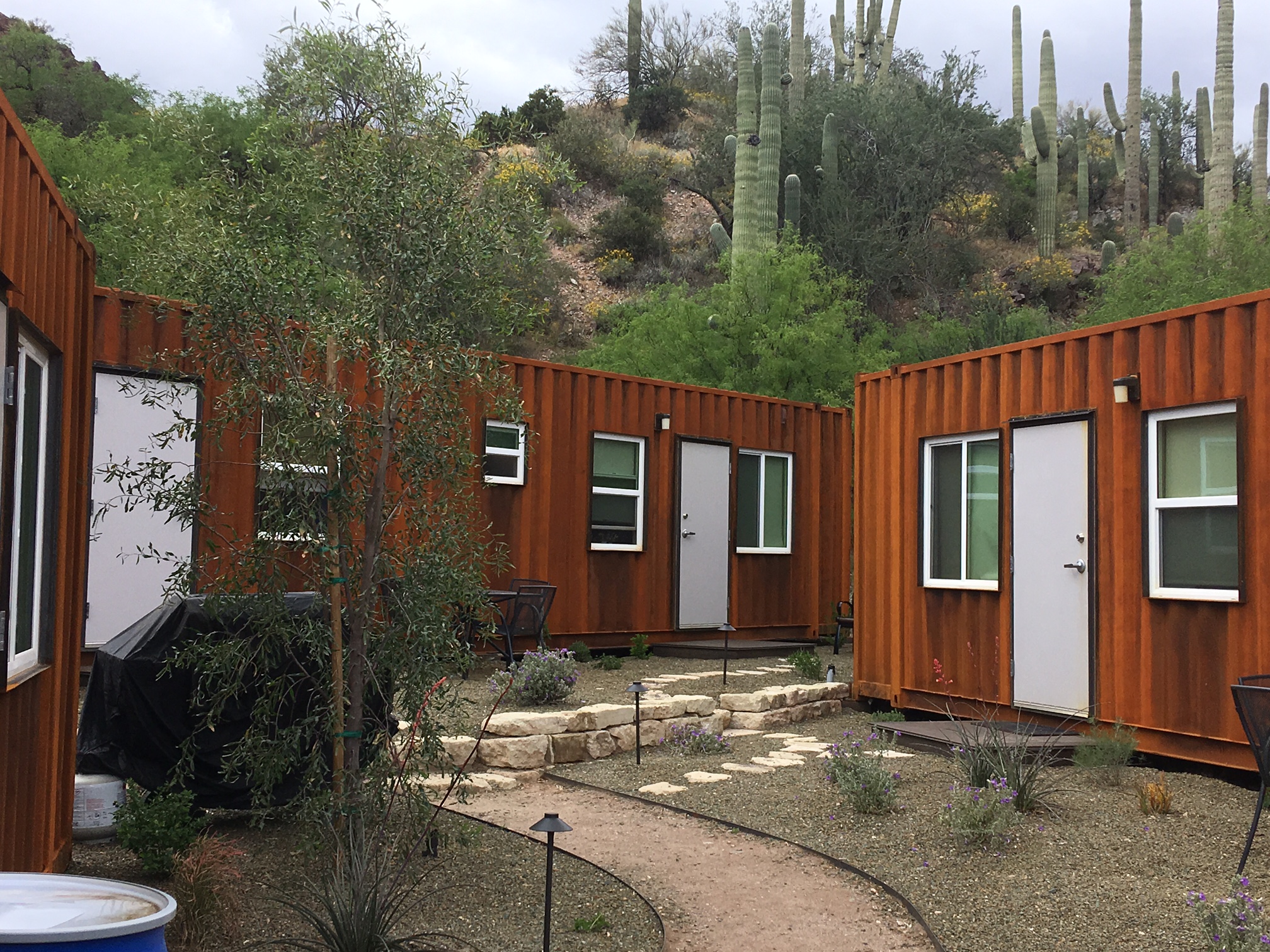
Modular construction has emerged as a transformative approach in the building industry, offering a host of benefits that enhance efficiency, reduce costs, and accelerate project timelines. This method involves the off-site manufacture of building components, which are then transported and assembled at the construction site. By leveraging modular construction solutions, stakeholders in the construction sector can address numerous challenges associated with traditional construction methods, such as delays, budget overruns, and environmental impacts.
Benefits of Modular Construction
Modular construction offers a range of advantages that contribute to its growing popularity in the industry. Some of the key benefits include:
- Faster Construction Times: Modular construction significantly reduces the timeline from project inception to completion, as components are manufactured concurrently with site preparation activities.
- Cost Efficiency: By minimizing waste and optimizing resource utilization, modular construction can lead to substantial cost savings.
- High Quality Control: Manufacturing in a controlled environment ensures consistent quality and reduces the likelihood of defects.
- Environmental Benefits: This method often results in less material waste and reduced site disturbance, contributing to a more sustainable construction process.
Applications in Various Sectors
The versatility of modular construction makes it suitable for a wide range of applications across different sectors. It is being increasingly adopted in:
Residential Construction
Modular homes offer a practical solution for housing needs, providing affordable and customizable options. This approach allows for quick assembly and scalability, making it ideal for meeting the demands of growing urban populations. Read more about this topic.
Commercial Buildings
In the commercial sector, modular construction is used for office buildings, retail spaces, and hospitality projects. The ability to complete projects swiftly without sacrificing quality is particularly beneficial for businesses looking to minimize downtime and maximize operational efficiency. Learn more in this detailed guide.
Healthcare Facilities
Healthcare facilities can also benefit from modular construction, as it allows for the rapid deployment of clinics and hospitals, especially in remote or underserved areas. The precision and quality control inherent in modular construction meet the stringent standards required for medical environments. Explore further insights here.
Challenges and Considerations
While modular construction presents numerous advantages, there are also challenges that must be addressed to maximize its potential:
- Logistical Coordination: Transporting large modules to the site requires careful planning and coordination to ensure timely delivery and assembly.
- Regulatory Compliance: Navigating the differing building codes and regulations across jurisdictions can be complex and may require additional resources.
- Design Limitations: Although modular construction is highly adaptable, certain architectural designs may require more customization than is feasible with standard modules.
Despite these challenges, the adoption of modular construction continues to grow as advancements in technology and design further enhance its capabilities. Find additional information here.
Conclusion
Modular construction solutions represent a significant evolution in the building industry, promising enhanced efficiency, cost-effectiveness, and sustainability. As the sector continues to evolve, the integration of modular approaches is likely to become more widespread, offering innovative solutions to complex construction challenges. By understanding its benefits and addressing its challenges, stakeholders can effectively harness the potential of modular construction to achieve their project goals.