
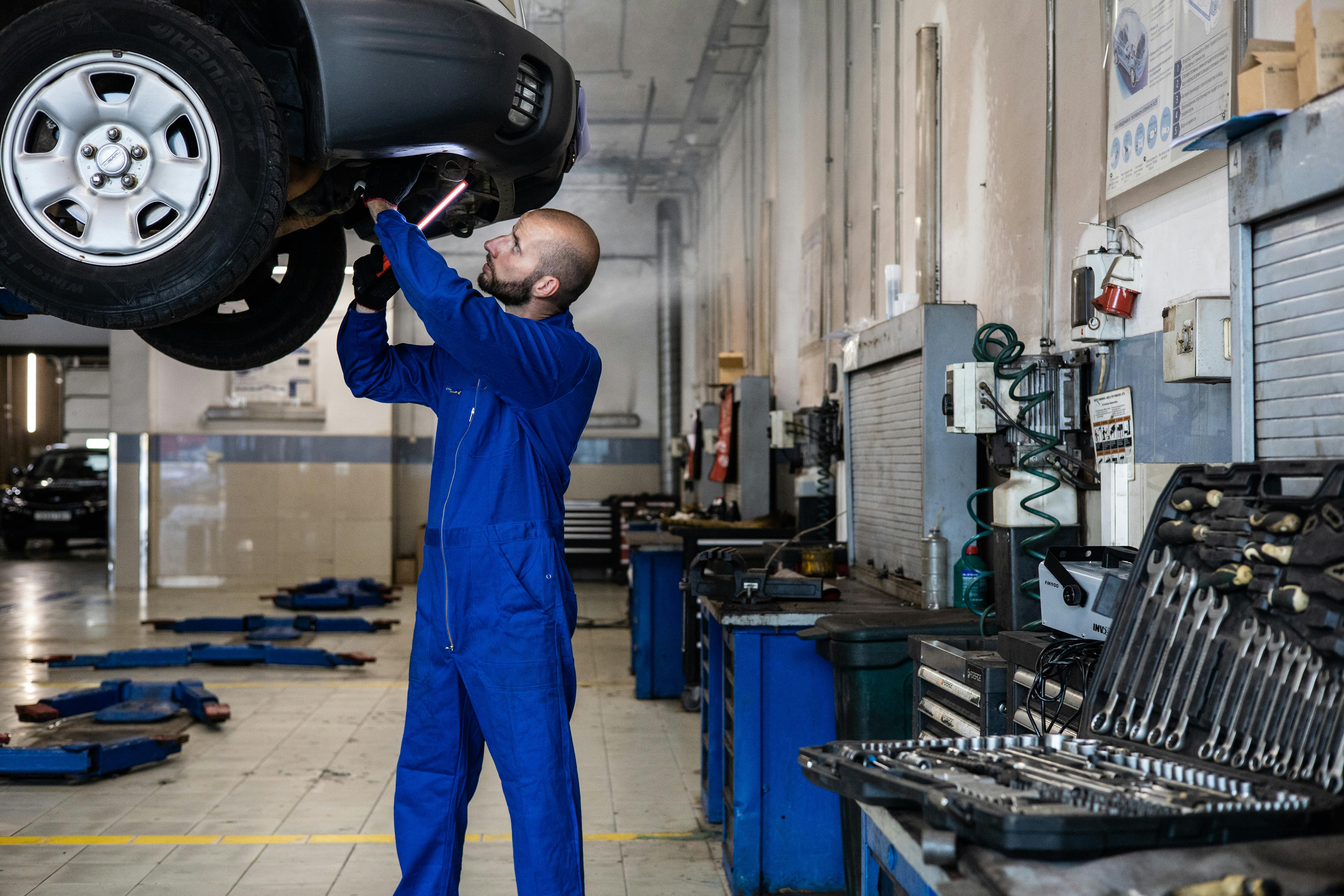
In recent years, Advanced Driver Assistance Systems (ADAS) have become an integral part of modern vehicles, enhancing safety and providing a more comfortable driving experience. These systems rely on precision sensors and cameras to function correctly. As such, the calibration of ADAS components is crucial to ensure optimal performance and safety on the road. This article explores the essentials of ADAS calibration services, highlighting the importance of professional expertise in achieving the highest standards of accuracy and reliability.
Understanding ADAS Calibration
ADAS calibration is the process of aligning and adjusting the sensors and cameras that support various driver assistance features. These features include adaptive cruise control, lane departure warning, automatic emergency braking, and more. Proper calibration is essential because even a minor misalignment can lead to inaccurate sensor readings and potentially compromise vehicle safety.
Key Components Involved
- Radar Sensors: Used for detecting objects and measuring their speed and distance.
- Cameras: Crucial for lane detection, traffic sign recognition, and pedestrian detection.
- Lidar: Provides high-resolution mapping of the vehicle’s surroundings.
- Ultrasonic Sensors: Typically used for parking assistance and close-range detection.
The Importance of Professional Calibration
Ensuring that ADAS components are accurately calibrated requires specialized knowledge and equipment. Professional ADAS calibration services offer several benefits:
- Precision: Accurate calibration prevents false positives and ensures systems function as intended.
- Safety: Properly calibrated systems are vital for the safety of drivers, passengers, and pedestrians.
- Compliance: Adhering to manufacturer specifications and industry standards is essential for warranty and regulatory compliance.
Discover expert strategies here to ensure your vehicle’s systems are performing at their best.
Calibration Process
The ADAS calibration process involves several critical steps that must be performed with high precision:
- Pre-Calibration Inspection: Checking the vehicle’s alignment, tire pressure, and condition to ensure they meet standards.
- Dynamic and Static Calibration: These methods involve calibrating systems while the vehicle is in motion (dynamic) or stationary (static), depending on the system requirements.
- Verification: Post-calibration testing to verify that all systems are functioning correctly.
Learn about our tailored solutions to meet the specific needs of different vehicles and ADAS configurations.
Choosing the Right Calibration Service
When selecting a service for ADAS calibration, consider the following factors:
- Experience: Look for professionals with extensive experience in ADAS systems.
- Equipment: Ensure the service provider uses state-of-the-art calibration equipment.
- Certification: Verify that the technicians are certified by recognized automotive organizations.
- Customer Reviews: Read reviews and testimonials to gauge the quality of service.
Explore advanced guides and tips to make an informed decision about your calibration needs.
Conclusion
ADAS calibration is a critical aspect of vehicle maintenance, ensuring that advanced safety systems operate correctly. With the increasing complexity of modern vehicles, professional calibration services offer the expertise and precision needed to maintain safety and functionality. Find out more about this approach to ADAS calibration and keep your vehicle’s systems operating at their peak.