
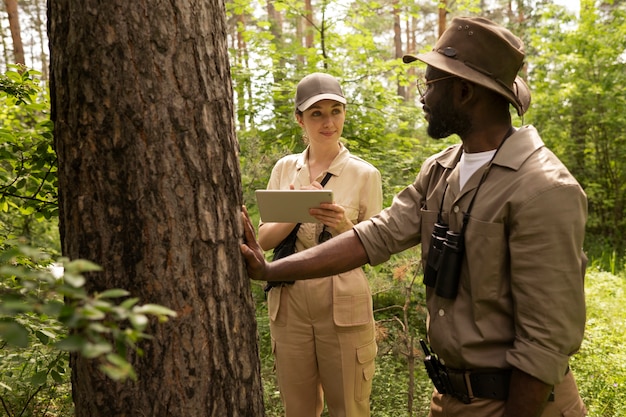
In the lush landscapes of Tacoma, the health of trees is a vital component of urban forestry management. Ensuring the wellbeing of these natural assets requires a comprehensive approach to tree health inspection. This process involves evaluating the overall condition of trees, identifying potential risks, and recommending appropriate interventions to maintain their vitality. Professional tree health inspections play a crucial role not only in enhancing the aesthetic value of landscapes but also in promoting environmental sustainability and public safety.
The Importance of Tree Health Inspections
Tree health inspections are essential for several reasons:
- Detecting early signs of disease and pest infestations.
- Evaluating structural integrity to prevent accidents.
- Assessing the impact of environmental stressors on tree health.
- Enhancing biodiversity and ecological balance.
Through regular assessments, these inspections help in maintaining the safety and beauty of Tacoma’s trees. Find out more about this approach to protect and preserve urban forestry.
Key Components of a Tree Health Inspection
Visual Examination
A thorough visual examination forms the foundation of any tree health inspection. Arborists look for visible signs of disease, such as discolored leaves, unusual growths, or pest damage. This step also includes checking for structural anomalies like cracks, weak branches, and root issues.
Soil and Root Analysis
Understanding the soil composition and root health is crucial. Soil tests can reveal nutrient deficiencies or toxicities that might affect tree growth. Additionally, inspecting the root system helps determine if there are any underlying problems that could compromise the tree’s stability. Explore advanced guides and tips for soil and root management.
Advanced Diagnostic Techniques
Technology plays a pivotal role in tree health assessments. Techniques such as resistograph testing, which measures the resistance of wood to identify decay, and sonic tomography, which uses sound waves to map internal defects, provide deeper insights into a tree’s condition. These methods are integral for diagnosing issues that are not visible to the naked eye. Discover expert strategies here for employing these cutting-edge diagnostic tools.
Benefits of Regular Tree Health Inspections
Regular tree health inspections offer numerous advantages:
- Prolonging the lifespan of trees through timely interventions.
- Reducing the risk of tree-related hazards to property and human life.
- Enhancing the overall aesthetics and property value.
- Contributing to environmental conservation efforts.
By investing in regular inspections, property owners can ensure that their trees remain robust and healthy. Learn about our tailored solutions to keep Tacoma’s urban greenery thriving.
Conclusion
Comprehensive tree health inspections are indispensable for the sustainable management of Tacoma’s urban forestry. By integrating visual assessments, soil analysis, and advanced diagnostic techniques, these inspections offer a holistic view of a tree’s health. This proactive approach not only preserves the beauty and safety of landscapes but also supports broader ecological and conservation goals. For detailed strategies and expert advice, explore advanced guides and tips tailored to the unique needs of Tacoma’s trees.