
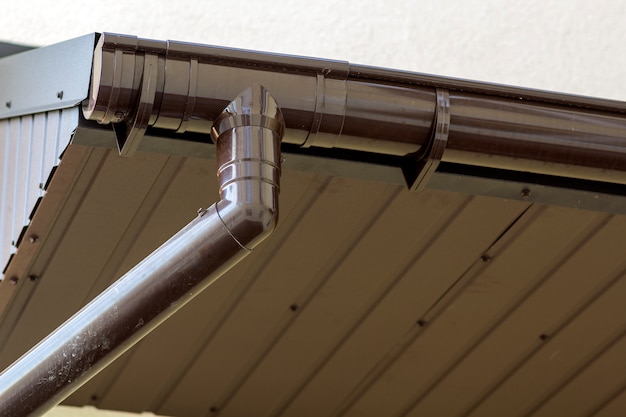
Underground drainage systems are critical components in modern infrastructure, designed to manage rainwater and prevent flooding efficiently. These systems play a vital role in safeguarding properties from water damage, preserving landscapes, and maintaining the integrity of foundations. Understanding their design, functionality, and benefits is essential for anyone involved in construction, landscaping, or property maintenance. This article delves into the intricacies of underground drainage systems, highlighting their importance and offering insights into their implementation.
Understanding the Basics of Underground Drainage Systems
At the core of effective underground drainage systems is their ability to channel water away from structures efficiently. This prevents water accumulation that could lead to structural damage or landscape erosion. Key components include:
- Pipes: Typically made from durable materials like PVC or concrete, designed to withstand various environmental conditions.
- Catch Basins: These collect water from surface areas and direct it into the drainage system.
- Outlet Points: Strategically placed to safely discharge water into designated areas such as storm drains or water bodies.
For a comprehensive understanding of these components, discover expert strategies here.
The Importance of Proper Installation
Proper installation is critical to the effectiveness of underground drainage systems. Missteps in the installation process can lead to system failures and costly repairs. Key aspects to consider include:
Site Assessment and Planning
A thorough site assessment helps in understanding the landscape’s topography and soil characteristics. This information is crucial in designing a drainage system that meets specific site needs. Learn about our tailored solutions for effective site assessments.
Material Selection
Selecting the right materials is essential to ensure durability and efficiency. Factors such as climate, soil conditions, and expected water volumes should guide material choices. Quality materials extend the lifespan of the drainage system and reduce maintenance needs.
Maintenance and Longevity
Regular maintenance is key to ensuring the longevity and efficiency of underground drainage systems. Maintenance tasks include:
- Regular inspections to identify and rectify blockages or damages.
- Cleaning catch basins and pipes to prevent buildup of debris.
- Monitoring outlet points to ensure they are functioning correctly.
For advanced maintenance techniques and tips, explore advanced guides and tips.
Innovations in Drainage Technology
Recent advancements in technology have led to more efficient and sustainable drainage solutions. Innovations include:
- Smart drainage systems that use sensors to monitor water levels and flow rates in real time.
- Sustainable materials that reduce environmental impact while maintaining efficiency.
- Advanced software for designing and simulating drainage systems before installation.
To stay updated on these innovations, find out more about this approach.
In conclusion, efficient underground drainage systems are indispensable for modern infrastructure. They protect properties, enhance landscape aesthetics, and contribute to environmental sustainability. By understanding their components, installation processes, and maintenance requirements, stakeholders can ensure these systems operate at peak efficiency and longevity.